
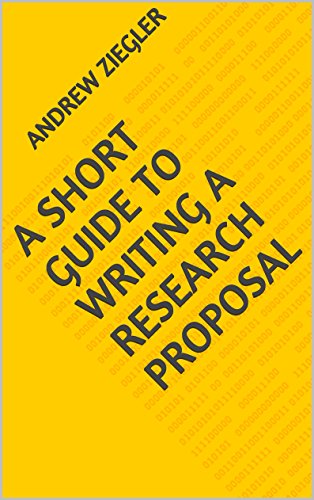
A Short Guide to Writing a Research Proposal
Product Description
Condition - Very Good
The item shows wear from consistent use but remains in good condition. It may arrive with damaged packaging or be repackaged.
A Short Guide to Writing a Research Proposal
Good research papers begin with good research proposals. This observation applies to doctoral dissertations, master’s theses, and even some college term papers. Just as a traveler maps out a route before a trip and a general develops a strategy before a battle, you need a detailed plan before conducting research. The research proposal is “a systematic, extended exploration of one’s topic, from statement of the problem all the way through anticipated analytic procedures†(Sternberg 1981, 73). Because this “exploration†may seem a daunting task, this guide is for the student writing a research proposal for the first time.
Although this guide focuses on the research proposal, the principles found here apply to the entire research process, which involves three broad steps. The first is to plan the research and write the research proposal. The second step is to conduct the research by gathering and analyzing data. And the final step is to write the research paper, which communicates the results of a completed research project and provides an interpretation of its findings. In fact, the organization and content of the research proposal in many ways parallels the final research paper.
A college research proposal serves several purposes. First, it focuses a student on selecting a topic and starting the project early in the semester. Often, just getting started is the most difficult part of a research paper. Second, it communicates the research plan to those who must confirm that the intended research meets the assignment requirements. Proposals have “rescued†many students from pursuing inappropriate or unfeasible research. Third, a proposal provides a blueprint for the project. By carefully thinking through the entire research process, the student can conduct the research more easily. The research paper can be no better than the plan of investigation. Fourth, once the proposal is accepted, it forms a sort of “contract†between student and teacher. The student is generally assured a passing grade if the research is carried out as proposed and the final paper meets the standards of writing style and mechanics.
Thus, the research proposal teaches a student to conduct quality research and write good papers. Armed with an accepted proposal, even one subject to major revisions, a student can begin research in earnest, confident of being on the right track.
Beyond the classroom, private foundations and government agencies also rely on proposals to decide who receives research grants and fellowships. So, the ability to design a meaningful and coherent proposal could pay off monetarily some day.
Technical Specifications
You might also like

How to Write a Literature Review
A Manual for Writers of Research Papers, Theses, and Dissertations, Eighth Edition: Chicago Style for Students and Researchers (Chicago Guides to Writing, Editing, and Publishing)
Writing a Proposal for Your Dissertation: Guidelines and Examples

A+ Guide to Literature Reviews (A+ Guides to Writing Book 3)

Write your Dissertation Proposal in 30 Days! (Smart Doctor Book 2)
"They Say / I Say": The Moves That Matter in Academic Writing (Third Edition)

The Dissertation Journey: A Practical and Comprehensive Guide to Planning, Writing, and Defending Your Dissertation

How to Write a Lot: A Practical Guide to Productive Academic Writing (Lifetools: Books for the General Public)